No products in the cart.
No products in the cart.

<p>Great care isn't one big effort once in a while — it's small, steady support spread across the whole day. Here's how to distribute care sustainably, for the people you love and for yourself.</p>
We often picture "care" as a single, big effort — a hospital visit, a weekend spent helping, one long to-do list tackled all at once. But the care that truly sustains people, especially those living with reduced mobility or recovering from illness, works differently. It’s distributed: broken into small, steady moments of support spread across the whole day.
Distributing care is easier to sustain, kinder to the caregiver, and often more effective for the person receiving it. Here’s what it looks like in practice.
Think of it in three layers:
The common thread is low friction. The support that actually happens is the kind that fits naturally into a day.
That’s a rhythm of support that rarely takes more than a few minutes at a time, yet adds up to a day that feels safe and dignified.
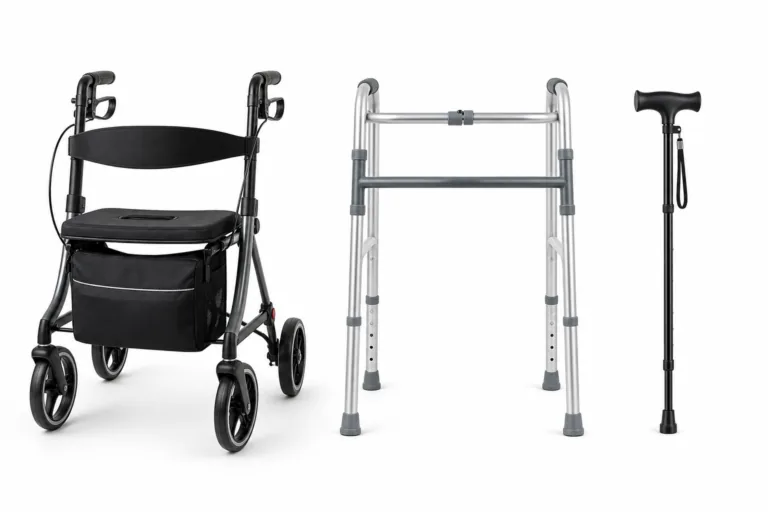
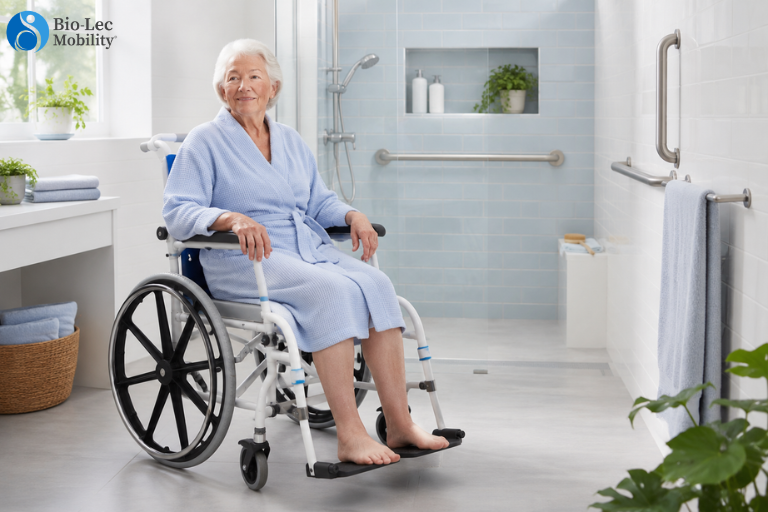
One of the smartest ways to distribute care is to let the home itself do part of the work. Thoughtful mobility and living aids reduce how often someone needs hands-on help — which preserves both independence and caregiver energy:
Every task the environment handles is a task that doesn’t fall on a person — care, quietly distributed.
Caregivers give best when they aren’t running on empty. Distributing care means keeping a little for yourself, too:
Sustainable care is a marathon, not a sprint. Spreading the effort is how you keep going.
Care doesn’t have to be heroic to be meaningful. When you distribute it — across the day, across needs, across people, and with the help of a well-designed environment — you create support that’s steadier, safer, and far more sustainable for everyone involved.
What does "distributing care" mean?
It’s the practice of spreading support into small, regular moments throughout the day rather than concentrating it into one large effort — making care more consistent and easier to sustain.
How does it help prevent caregiver burnout?
By sharing the load across time, people, and supportive tools, no single person carries the full weight, which protects the caregiver’s own health and energy.
Can mobility aids really reduce the caregiving burden?
Yes. Aids that support independent movement and a safer home environment reduce how often hands-on help is needed, freeing caregivers and preserving the dignity of the person being cared for.
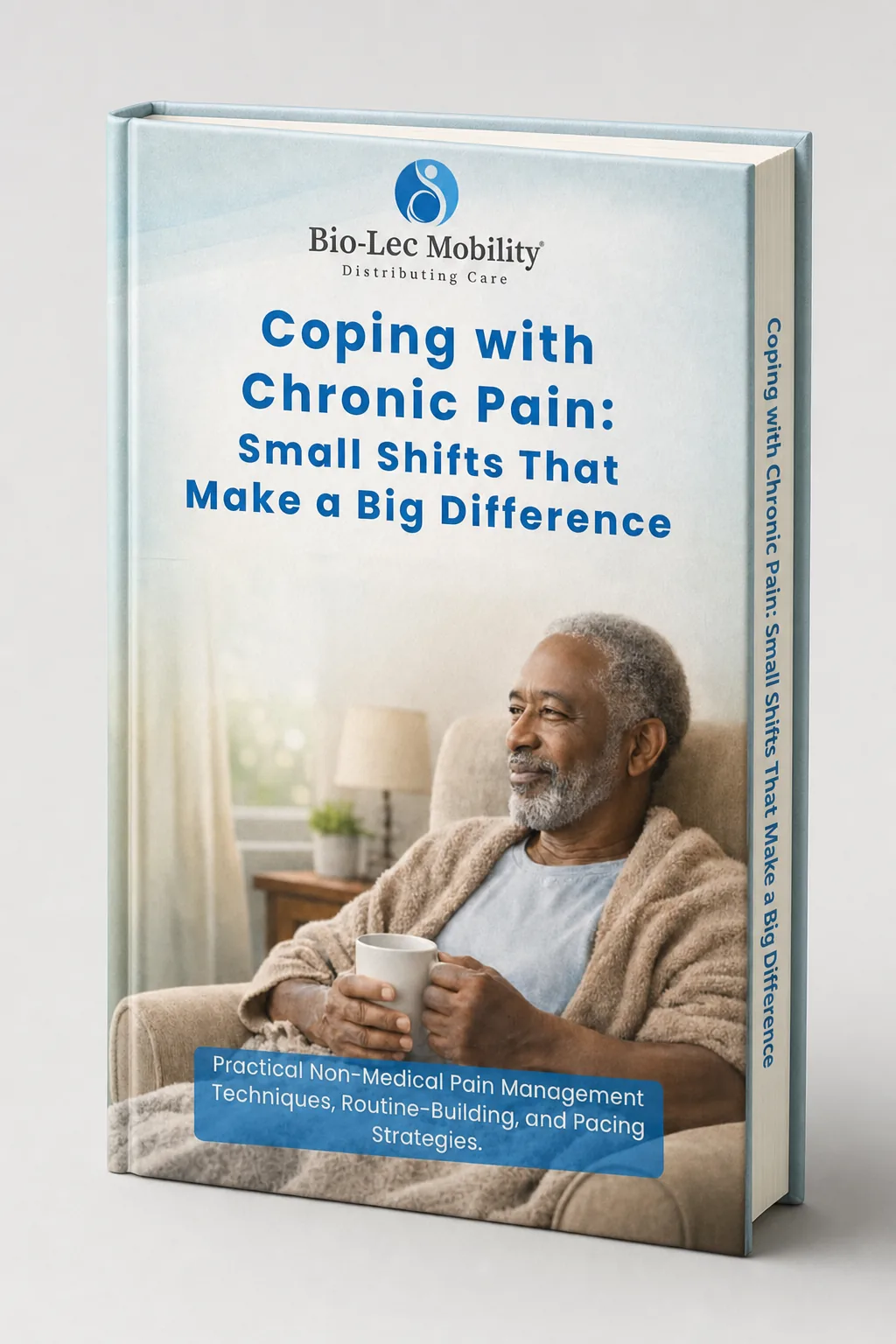
Free Download
Living with chronic pain can feel overwhelming, but small, consistent changes can significantly improve your quality of life.
Your information is safe with us. We'll never share your details.