No products in the cart.
No products in the cart.

Prevent falls with mobility aids, bathroom safety equipment, and home adaptations. A practical room-by-room safety checklist for elderly seniors and carers.

Falls are one of the most common causes of injury among elderly people in the UK. Each year, around one in three adults aged 65 and over will experience a fall, and that figure rises to one in two for those over 80. While not every fall results in serious injury, the emotional and physical consequences can be significant — from fractured hips and wrists to a loss of confidence that limits independence.
Falls rarely have a single cause. They’re usually the result of several factors working together: muscle weakness, balance problems, vision changes, medication side effects that cause dizziness, and environmental hazards like loose rugs or poor lighting. The good news? Most falls are preventable with the right combination of mobility aids, home adaptations, and awareness.
Preventing falls isn’t about wrapping your loved one in cotton wool. It’s about giving them the tools and environment they need to move safely and confidently — at home, in the bathroom, and around the garden. Small changes can make a big difference.
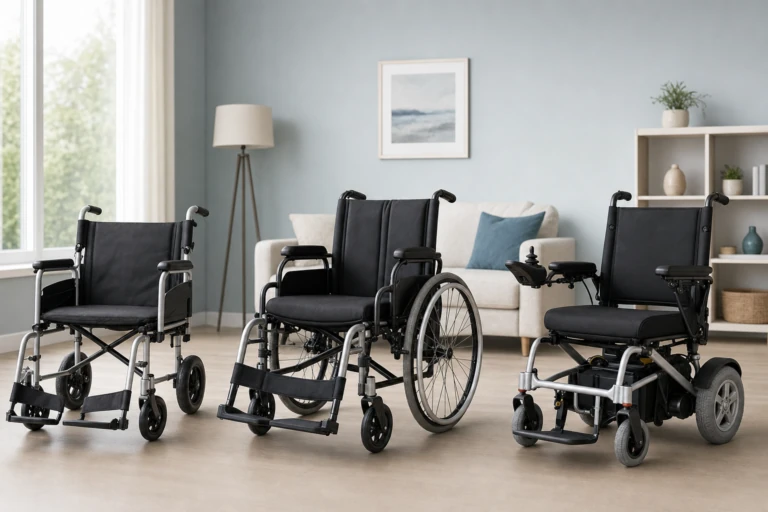
The right mobility aid doesn’t just prevent falls — it restores confidence. Many people resist using a walking aid because they worry it signals weakness. In reality, it’s a strength. A rollator or walking stick helps you stay active, independent, and safe.
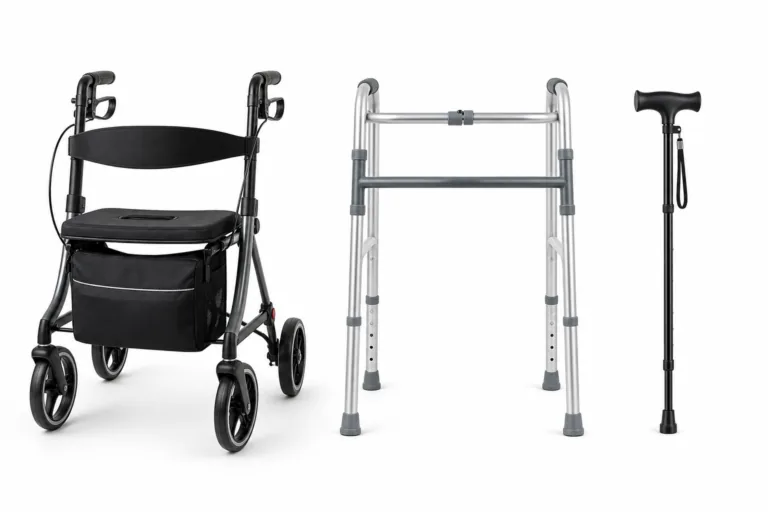
Rollators, walking frames, and walking sticks all improve stability by widening your base of support and providing something to lean on when balance feels uncertain. If you’re unsteady on your feet after surgery, managing arthritis pain, or simply feeling less confident when walking, a mobility aid can help.
Rollators are particularly useful for people who need both support and a place to rest. Look for models with hand brakes, a comfortable seat, and wheels sized for your environment — smaller wheels suit indoor use, while 8-inch wheels handle outdoor paths and kerbs better.
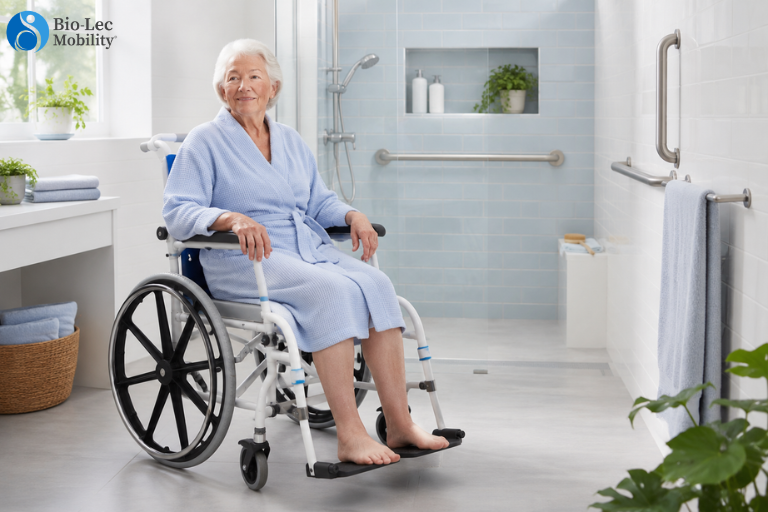
Bathrooms are high-risk zones. Wet floors, slippery surfaces, and awkward movements (getting in and out of the bath, standing from the toilet) all increase fall risk. Grab rails, shower stools, and raised toilet seats reduce strain and give you something secure to hold onto.
Suction grab rails are ideal if you’re renting or don’t want to drill into tiles. They stick firmly to smooth surfaces and can hold significant weight — but always check the weight limit and test the suction before relying on it.
Getting in and out of bed can be risky if you’re unsteady at night or recovering from surgery. Bed rails give you a secure handhold when sitting up or standing, and they prevent nighttime falls if you roll over in your sleep.
Bed rails are also useful if you care for someone with dementia or Parkinson’s, as they provide reassurance and reduce the need for nighttime assistance.
Even the most supportive mobility aid won’t prevent a fall if your home is full of trip hazards. A room-by-room safety check helps you spot risks before they cause an accident.
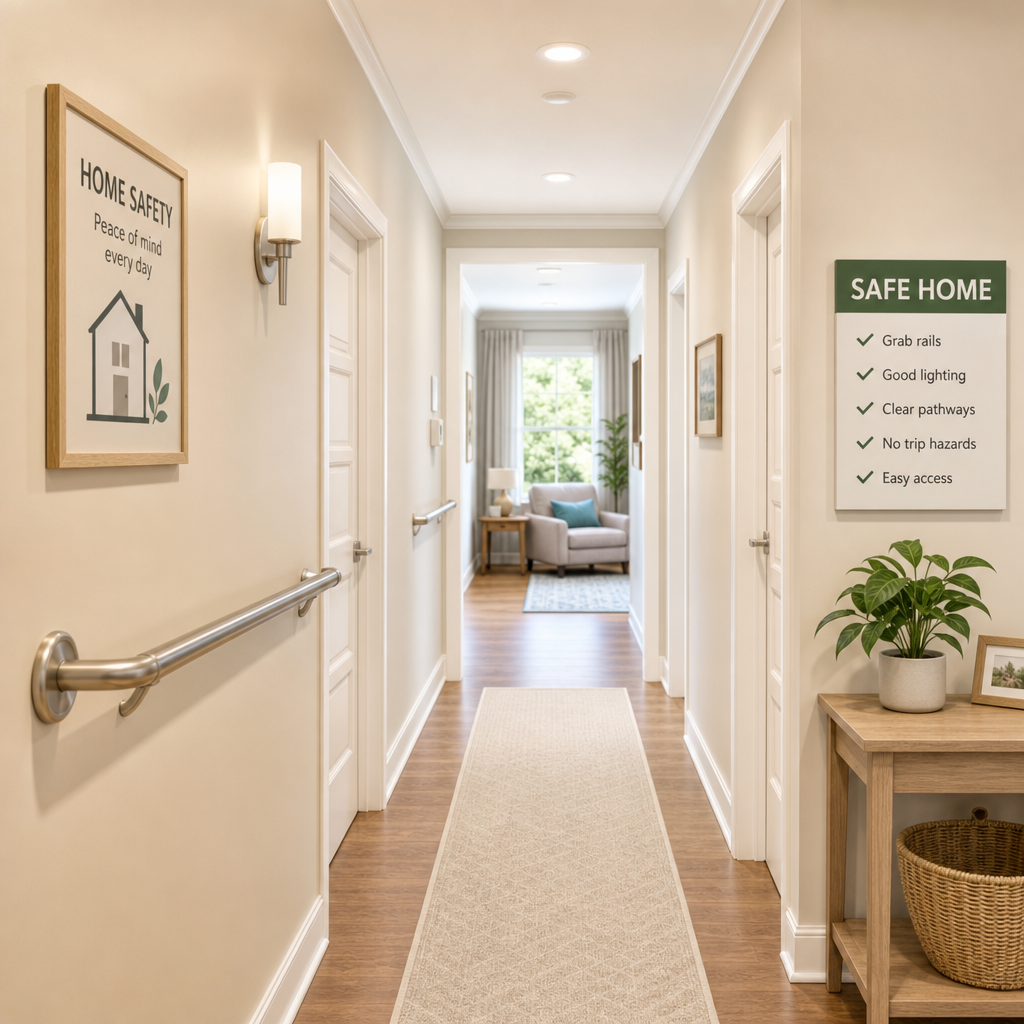
Work through one room at a time. Involve family members or carers if you can — they’ll often spot risks you’ve stopped noticing. If you’re unsure where to start, ask your GP for a referral to an occupational therapist. They can visit your home and recommend specific adaptations.
Preventing falls takes a bit of planning, but it doesn’t have to be overwhelming. Start small, involve your GP or physiotherapist, and build up over time.
Don’t wait for a fall to happen before taking action. The emotional toll of a fall — fear, loss of confidence, reluctance to leave the house — can be just as damaging as the physical injury. Prevention is always easier than recovery.
Falls usually result from a combination of factors: muscle weakness, balance problems, vision changes, medication side effects, and environmental hazards like loose rugs or poor lighting. Age-related changes in strength and coordination make it harder to recover balance quickly when you trip or stumble.
If you feel unsteady on your feet, have had a fall or near-miss, are recovering from surgery (especially hip or knee replacement), or your GP or physiotherapist recommends it, it's time to consider a walking aid. Don't wait until after a fall — prevention is always better than recovery.
Yes, when installed correctly on smooth, non-porous surfaces like tiles or glass. Always check the manufacturer's weight limit, test the suction before use, and inspect the seal regularly. If you need a permanent solution or the surface isn't suitable, opt for a screw-fixed grab rail instead.
Use the room-by-room checklist above as a starting point. Walk through your home with a critical eye — look for trip hazards, poor lighting, areas where you feel unsteady, and tasks that require awkward movements. If you're unsure, ask your GP for a referral to an occupational therapist who can do a formal home assessment.
Yes. Balance and strength exercises can significantly reduce fall risk by improving muscle tone, coordination, and reaction time. Tai chi, physiotherapy-led programs, and simple exercises like standing on one leg (with support) all help. Always consult your GP or physio before starting a new exercise routine.
Stay calm and assess yourself for injury before trying to get up. If you can't get up or you're hurt, call for help using a phone or personal alarm. Even if you're not injured, report the fall to your GP — they can check for underlying causes and help you prevent future falls.
Preventing falls doesn’t mean restricting your life. It means giving yourself the tools, environment, and support to live safely and confidently. Start with one room, one product, or one conversation with your GP. Small changes add up.
Free Download
Living with chronic pain can feel overwhelming, but small, consistent changes can significantly improve your quality of life.
Your information is safe with us. We'll never share your details.