No products in the cart.
No products in the cart.

Transit, self-propelled, powered or all-terrain? A carer-friendly guide to picking the right wheelchair for daily life, comfort and budget.
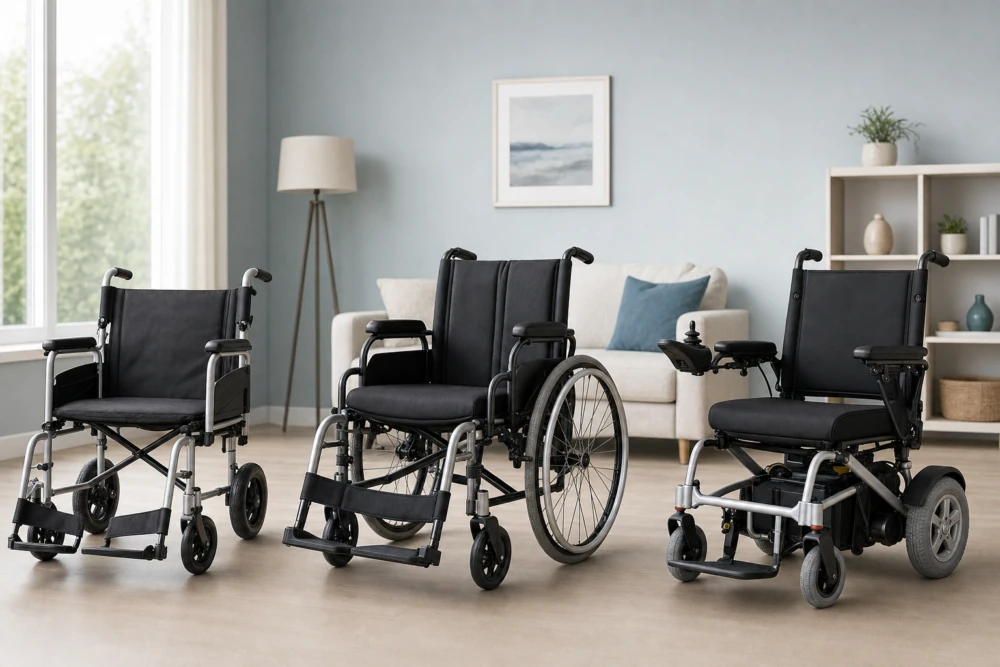
Choosing a wheelchair isn’t really about the chair — it’s about who pushes it, where it’s used and how often. A chair that’s perfect for occasional trips to a hospital appointment can be exhausting for someone who wants to get around independently all day, and a powered chair that feels liberating outdoors can be awkward in a narrow hallway.
This guide compares the four types we’re asked about most — transit, self-propelled, powered and all-terrain — so you (or the person you care for) can match the chair to real daily life. We’ll cover who each one suits, what to check before buying, and the questions carers ask us most often.
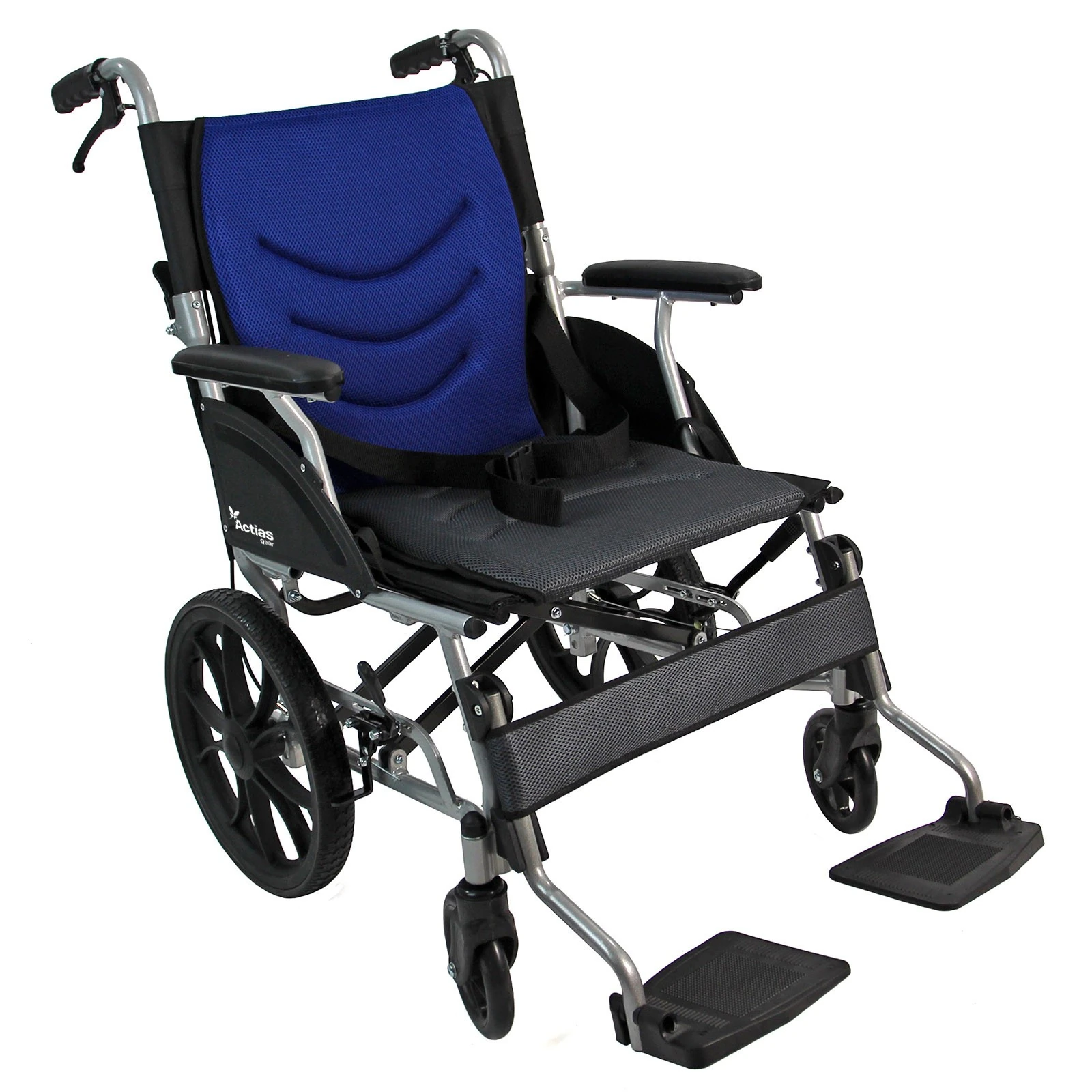
Transit
Attendant-pushed, folds small
Small rear wheels, pushed by a carer. Lightest and most compact — ideal for appointments, days out and popping in the car boot.
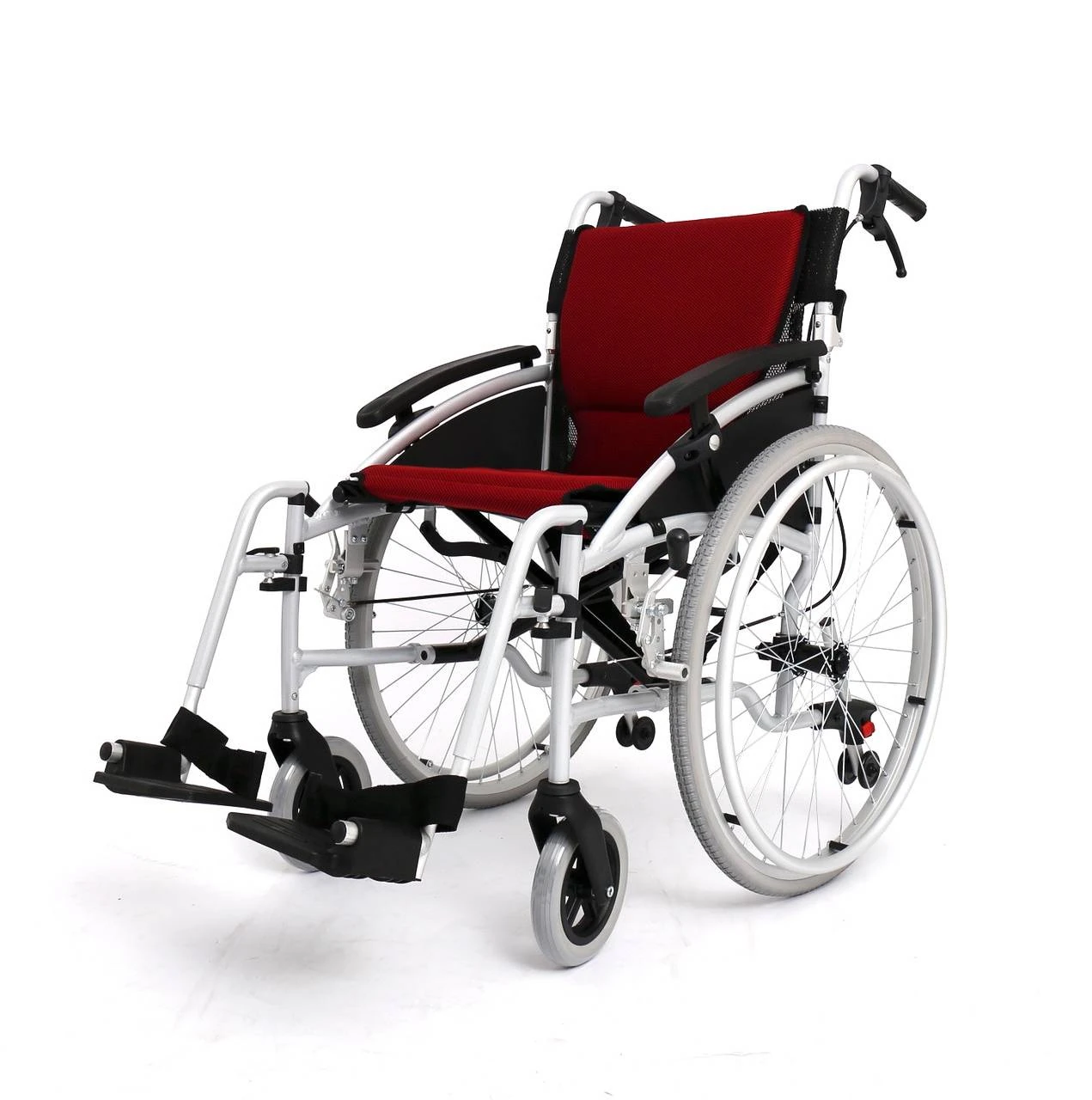
Self-propelled
Push yourself, stay independent
Large rear wheels with hand rims so the user can move themselves. Best for anyone with good upper-body strength who wants day-to-day independence.
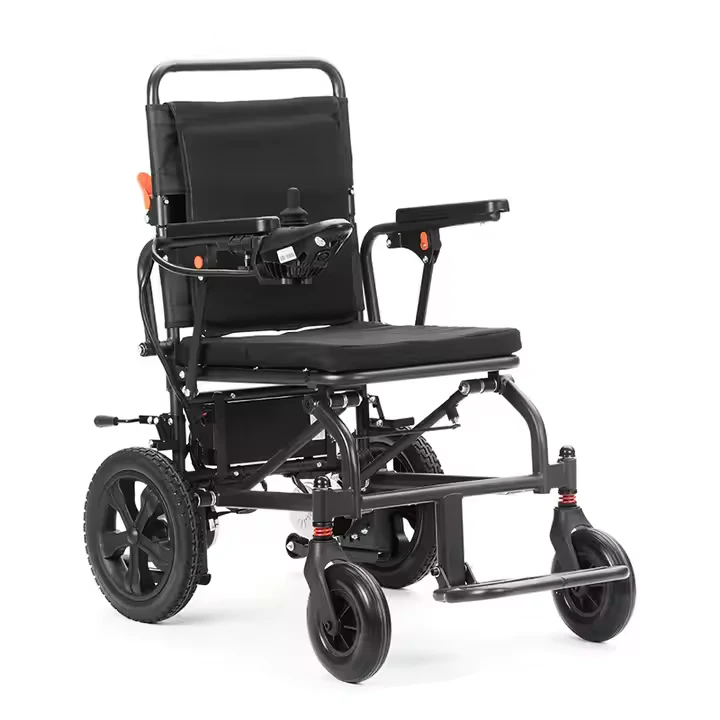
Powered
Joystick, minimal effort
Battery and motors do the work via a joystick. Suits longer distances or limited arm strength — the biggest independence boost, at a higher price.
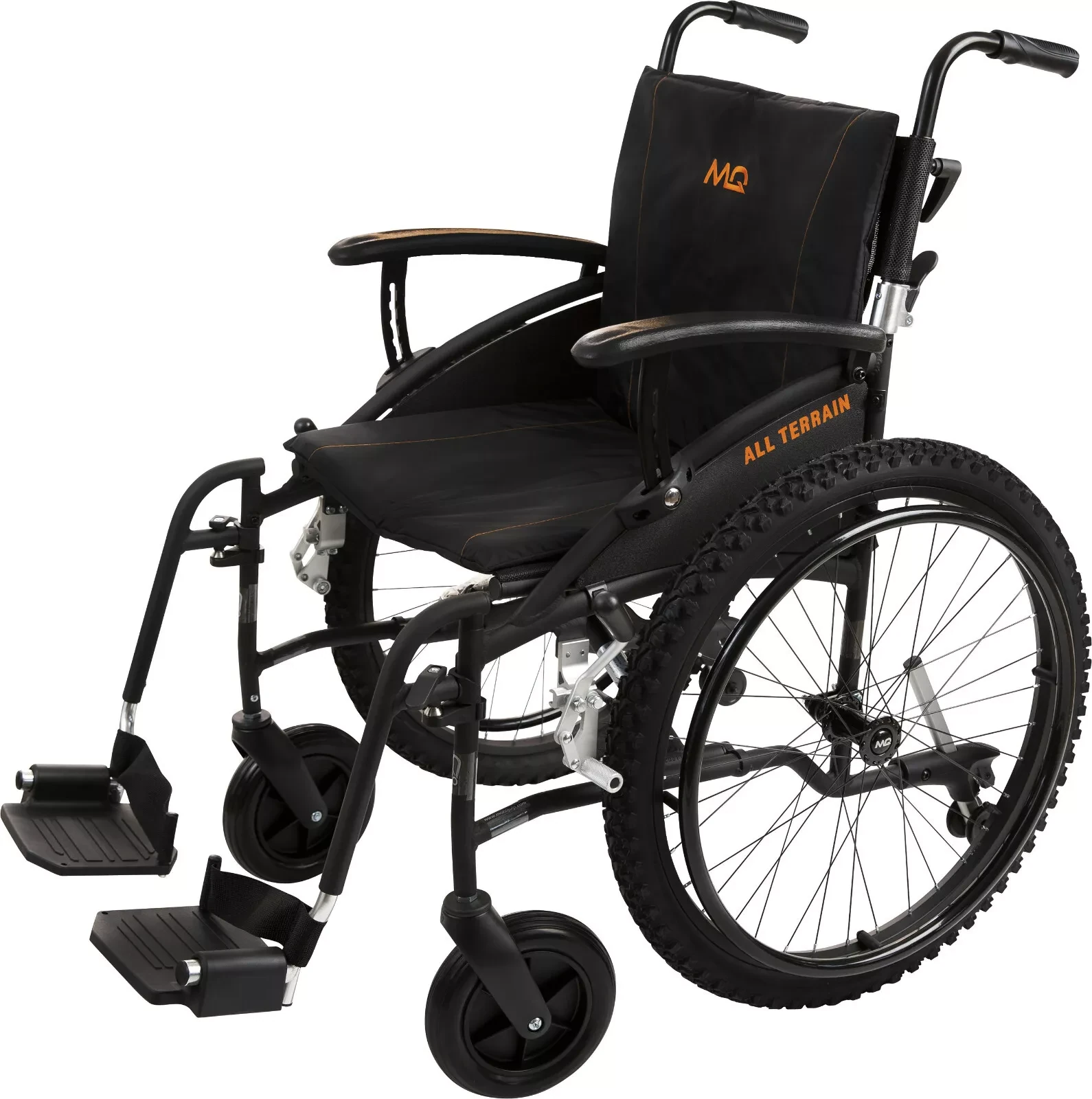
All-terrain
Grass, gravel & kerbs
Rugged frame and larger wheels for parks, gravel paths and uneven ground — for active users who don’t want to be limited to smooth pavements.
A transit chair has four small wheels and is designed to be pushed by a carer — the user doesn’t self-propel. That trade-off buys you the lightest, most compact chair on this page, which is why transit models are the go-to for appointments, shopping trips and holidays.
Best for:
Key features to compare:
Self-propelled chairs have large rear wheels with hand rims, so the user can move themselves without relying on a carer. If the person has reasonable upper-body strength, this is usually the chair that most improves quality of life — they set their own pace and go where they like.
Best for:
Key features to compare:
A powered (electric) chair uses a battery and motors controlled by a joystick, so the user needs very little physical effort. It’s the biggest independence boost for people who tire quickly, have limited arm strength, or want to cover longer distances — and modern folding models are far easier to transport than older power chairs.
Best for:
Key features to compare:
All-terrain chairs have rugged frames and larger wheels built to handle grass, gravel and uneven paths. If the user wants to join family walks in the park or won’t be confined to smooth pavement, this is the type that keeps them included.
Best for:
Key features to compare:
Red flags — don’t ignore these:
If the wheelchair is for someone who is chronically sick or disabled and it’s for personal use, you can usually buy it VAT-free. At checkout you complete a short VAT-exemption declaration — there’s no need for a doctor’s note.
A transit chair has small rear wheels and is pushed by a carer; it’s lighter and folds smaller. A self-propelled chair has large rear wheels with hand rims so the user can move themselves. Choose transit for carer-pushed occasional use, self-propelled for day-to-day independence.
Measure across the hips while the person is seated, then add roughly 2.5cm (1″) for comfort and clothing. Too narrow pinches; too wide reduces support and makes self-propelling harder.
Yes. Self-propelled chairs have push handles at the back, so a carer can take over on hills or when the user is tired — you get the best of both.
If you need extra seat width or a higher weight capacity, choose a heavy-duty (bariatric) chair designed for it, rather than a standard model. It gives a safer, more comfortable and more durable fit.
You can be assessed by your local NHS wheelchair service, often via a GP or occupational therapist referral. Waiting times and eligibility vary, so many people buy privately for choice and speed — an OT can still advise on the right type.
Final thought: start with the person, not the product. Decide who pushes, how often it’s used and where it needs to go, then match the type — and always measure your doorways, car boot and seat width before you buy. Get those basics right and the chair becomes a source of freedom rather than frustration.

Free Download
Living with chronic pain can feel overwhelming, but small, consistent changes can significantly improve your quality of life.
Your information is safe with us. We'll never share your details.